Three months ago, the City of Guelph mourned the death of local police officer, Jennifer Kovach, who was killed when her police cruiser collided with a city bus on her way to a call. According to Lt. Col. (retired) Angelo Caravaggio, former Director of the Centre for National Security Studies at the Canadian Forces College in Toronto, the death of a police officer is particularly devastating because “Officers volunteer understanding the hardships and the possibility that, in the performance of their duties, they may pay the ultimate sacrifice. The military call it the unlimited liability clause.” He says, “When they are taken from us, they are typically young for the young are on the front line. We grieve for the potential unfulfilled and the useless waste of a vibrant life. We also feel more vulnerable as a society.”
When tragedy strikes in most workplaces leaders can support their teams. Work can be delayed, grief counsellors called or accommodations made. A police service, however, can’t stop its work. The officers in my community still had to contend with rowdy St. Patrick Day revelers and the day-to-day business of policing. The Chief of Police launched an immediate investigation and handled the national media frenzy. Civic leaders – including the officer’s mother, a long-time city councillor – also had mere days to plan an official police funeral – a massive civic event that drew 6,000 people from across Canada and the United States.
Despite their own grief and the shock in their organizations, these leaders remained visible, communicated facts and set a tone of respect and community resolve. Truly, I can’t imagine what it took. And, out of respect for the Mayor of Guelph and the Chief of Police, I won’t trouble them with my question. However, I think it is an opportunity to think about leading in grief -whether it’s in our family, our organization or our community.
While most leaders may never be in this position – and the death of a police officer, soldier or firefighter are losses in a greater context of service- we are seeing examples in the news of devastating losses in workplaces, schools and towns struck by natural disasters.
If you were a leader in an organisation facing grief and tragedy, what should you know now to help you carry on should you face the worst?
Not having faced this challenge myself, I asked my former professor, Dr. Caravaggio, to share his thoughts on what leaders need to do when dealing with their own grief and grief in their organization. Here’s some leadership advice I hope you never have to use.
Being an effective leader in a crisis begins long before anything bad happens. It begins with the leadership environment you have established for yourself and your followers.
Ask yourself,
- Have you developed trust?
- Have you empowered your followers?
- Have you established yourself as an individual of integrity and character?
- Have you proven your professional competence?
- Most importantly, have you established yourself as a consistent force, one that maintains the same calm temperament regardless of the severity of the situation around you?
If so, then you have established the foundation for effective leadership in a crisis situation.
If you are uncertain, take this small litmus test: How do you react when presented with bad news?
If your followers know that they can bring you bad information and you will react rationally then you are on your way. If they are afraid to bring you bad news then you have a problem as a leader. You don’t have the trust of your people as a leader, you will be making decisions based on filtered or even worse altered information.
Remain calm and consistent
People don’t often think about how they communicate. Yet in everything we do: what we say or don’t say, our mannerisms and hand gestures, effective leaders are consistent in their verbal and non-verbal communication. In the military, we teach our people that if they are having a bad day their followers should never know it. Be consistent.
Followers rely on having a leader who is dependable and consistent regardless of the situation.
The reality is that leaders are responsible for their own morale. The calmer you are, the more you are going to get done and the stronger the influence you will have on those around you.
When a crisis hits, followers want to know that the leader can become the rock that they need to find reassurance. It is the building of trust, character and credibility before the crisis that will see the leader and his/her followers through the crisis.
Over-communicate
In times of great uncertainty, the literature is clear: leaders must over communicate. They must remain visible, accessible and respectful of the fears and concerns of followers. Simply, people want to hear the news, good or bad – but especially the bad – from the leader. They feel a need to connect with their leaders in a time of crisis. Your communications should be focused on creating a sense of assurance, order and in times of crisis- urgency. Particularly, for instance when an evacuation is needed or there is immediate danger i.e fire, tornado, etc.
Look after others, especially the family
Your opportunity to grieve will come later. First, look after everyone else. The single most important factor after a crisis or death is to look after the family and make sure their needs are taken care of. In the Canadian Forces an officer is assigned to the family to cut through any red tape, answer any questions and relieve them of any worries, concerns or administrative burdens.
Acting indifferently, whether real or perceived, is the single biggest mistake a leader can make in a crisis. That is why a leader must be engaged and visible. People want to know that the leader understands the physical and emotional turmoil, is taking their grief seriously and is taking action to help out in any way they can.
I have been involved in incidents with multiple casualties and deaths and the leaders who were visible open, compassionate yet controlled were the ones that made the greatest impact in calming and reassuring victims and grieving families.
Remember the 3Cs
Author Richard Olson has identified the 3 Cs of disaster response
- Compassion and concern for victims
- Correctness-honesty, fairness and transparency in providing assistance
- Consistent, reliable and timely information.
If you are looking for a role model then Rudolph Giuliani after 9/11 is a great example. In spite of the disaster around him, the shock, grief, and horror, he kept his face out front, took responsibility for managing the crisis and provided a symbol of strength and stability that people could look to for support.
We don’t often know how we will react when a crisis or traumatic event hits. If you are the leader, you have to know that people will be watching for your reaction and actions. Your response should not be a surprise because you will have already established yourself and your credibility with your superiors, followers and peers.
You have to start now in order to be the effective leader in a crisis.

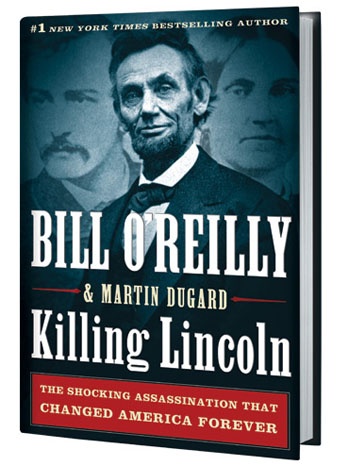 There’s a great scene in Killing Lincoln by Bill O’Reilly and Martin Dugard. It’s immediately after the Confederate army has surrendered and crowds have gathered outside the White House waiting for Lincoln to speak.


 Accolade Communications